About the Company
TileBar is a New York City retailer with more than 6,000 tile styles, including ceramic, porcelain, marble, natural stone, and glass. It also runs showrooms across the United States and a trade program for designers, contractors, hospitality teams, and multifamily developers. The website is where people discover products, order samples, and buy. If the site is slow or down, customers feel it right away.
The Challenge
Growth made the old setup hard to live with. One Amazon EC2 instance meant one failure could stop the store, and the team could not add capacity when demand jumped. Releases were done by hand. Nothing central showed threats, configuration changes, or an audit trail, and problems often surfaced only after a customer noticed them.
Solution
9Acts moved the platform onto AWS and put a regular rhythm around it: resilience, security, releases, and ongoing care.
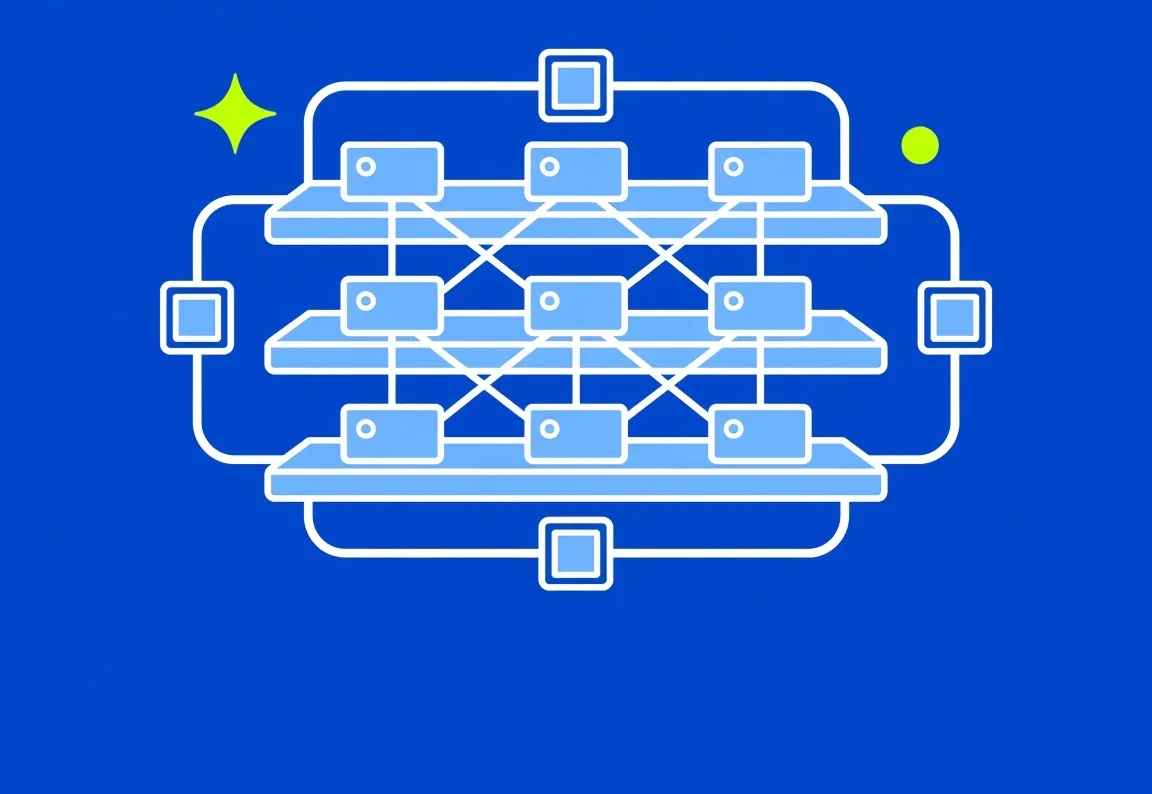
Containers on Amazon EKS. The application was packaged with Docker. It now runs across multiple Availability Zones behind an Application Load Balancer, and nodes and pods scale as demand changes.
A private network. The application and database sit in private subnets. Only the load balancer faces the internet.
Amazon RDS Multi-AZ. The database moved to a managed service with automated backups, patching, and failover.
Automated CI/CD. Hand-built production releases gave way to a build, an image, a registry, and a rolling deployment.
Security and governance. Amazon GuardDuty, AWS Security Hub, AWS Config, and AWS CloudTrail watch for threats, collect findings, track configuration, and keep an audit trail.
Proactive operations. Amazon CloudWatch dashboards and alarms support 24/7 monitoring through 9Acts. That covers patching, cluster health, security triage, and regular reviews of architecture, security, and cost.
Outcome
The store no longer depends on a single server. Workloads run in containers across multiple Availability Zones.
Less exposed. Application and database servers are no longer reachable directly from the internet. Traffic comes in through the load balancer, and the application and data sit in private subnets.
Releases you can repeat. Changes no longer go straight to production by hand. They ship through CI/CD to Amazon EKS.
Security you can see. GuardDuty, Security Hub, AWS Config, and CloudTrail cover threats, configuration, and audit logs.
Faster response. 24/7 monitoring and runbooks replaced the old pattern, where a problem often showed up first as a customer complaint.
Seasonal traffic. Promotions and busy seasons no longer need someone to resize servers by hand.